“A tender is not worthwhile for our small properties.” That assessment is too narrow if it considers only an individual meter. For professional property portfolios, aggregating several supply points can open procurement opportunities without millions of kWh per property.
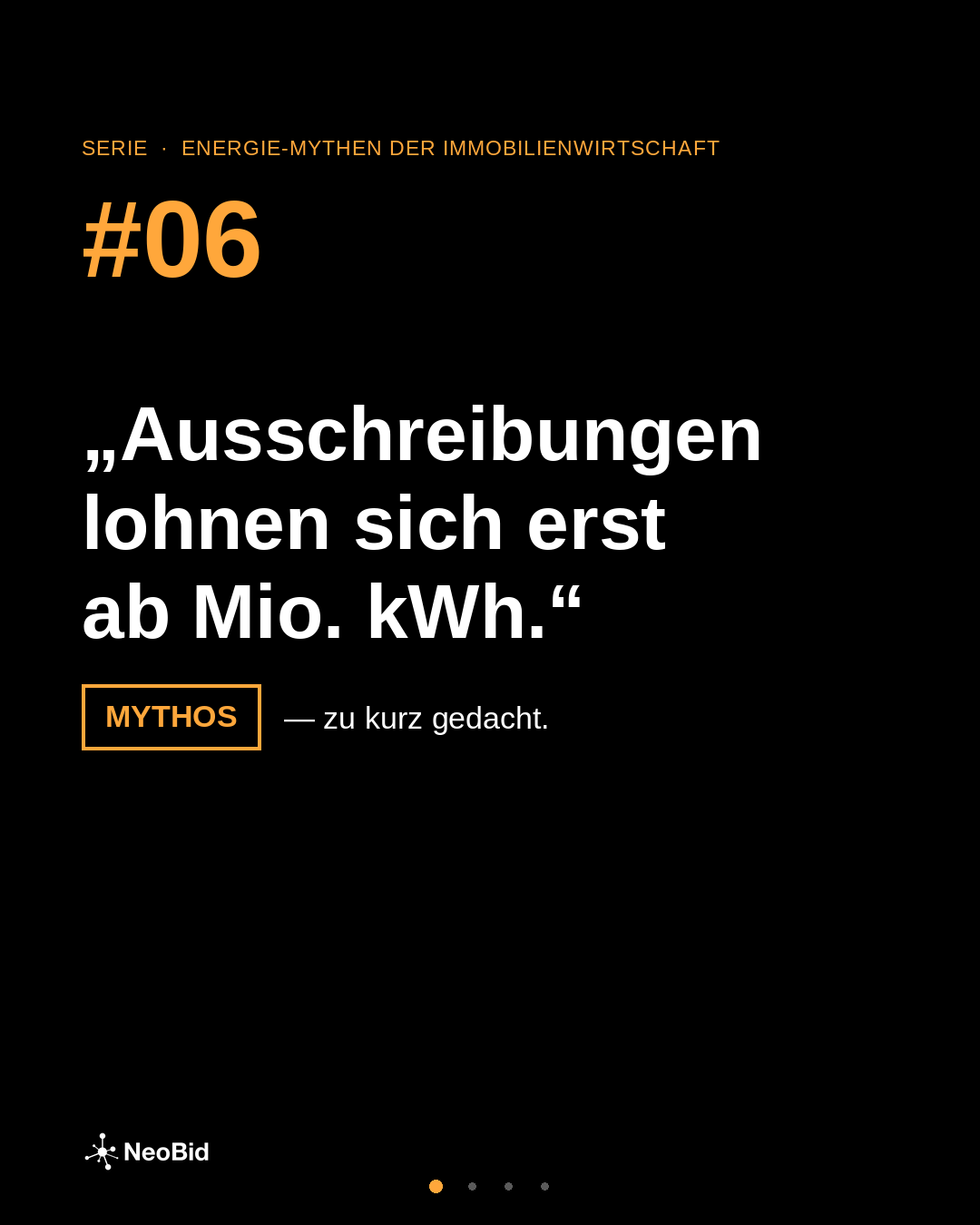
Consumption volume is not a tender threshold
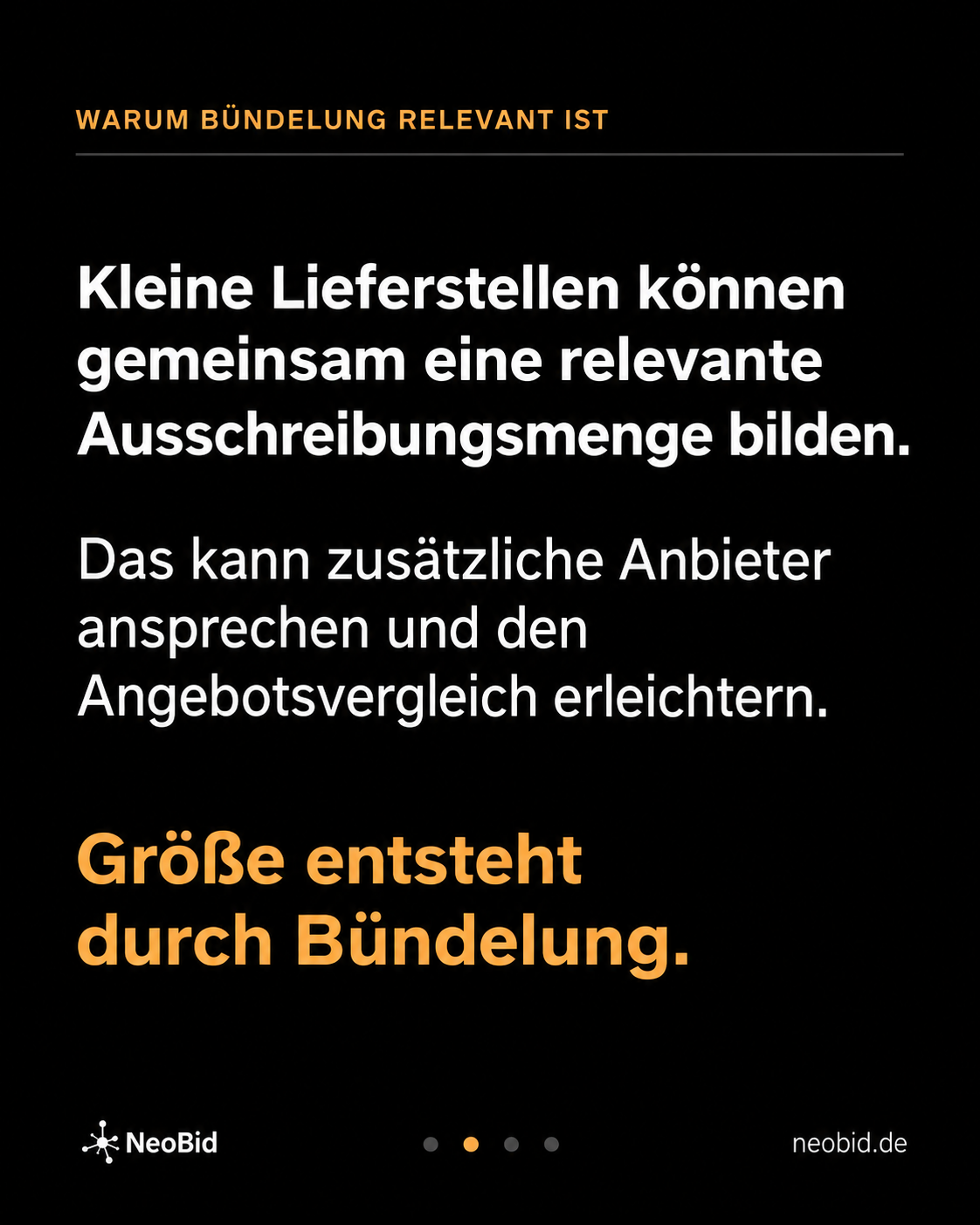
Smaller supply points can also be tendered. Whether a separate process is worthwhile depends on available offers and procurement effort as well as consumption. A joint portfolio tender offers another option: combining several small requirements into a meaningful total volume.
The frequently cited 100,000 kWh threshold concerns electricity metering, not the minimum size of a tender. Under section 55 of the German Metering Point Operation Act , annual volumes above this threshold generally require interval meter readings or, where necessary, quarter-hourly load metering. This does not establish a general tender threshold for electricity or gas.
Why the myth persists
Viewed separately, small areas, ancillary systems and units often show limited procurement demand alongside relatively high administration. Existing contracts may therefore remain unchecked. Only an offer comparison reveals whether their terms are competitive.
Aggregation changes the assessment: what matters is not only volume per meter but the portfolio tendered together. A clearly described package may interest additional suppliers.
Which benefits aggregation may enable
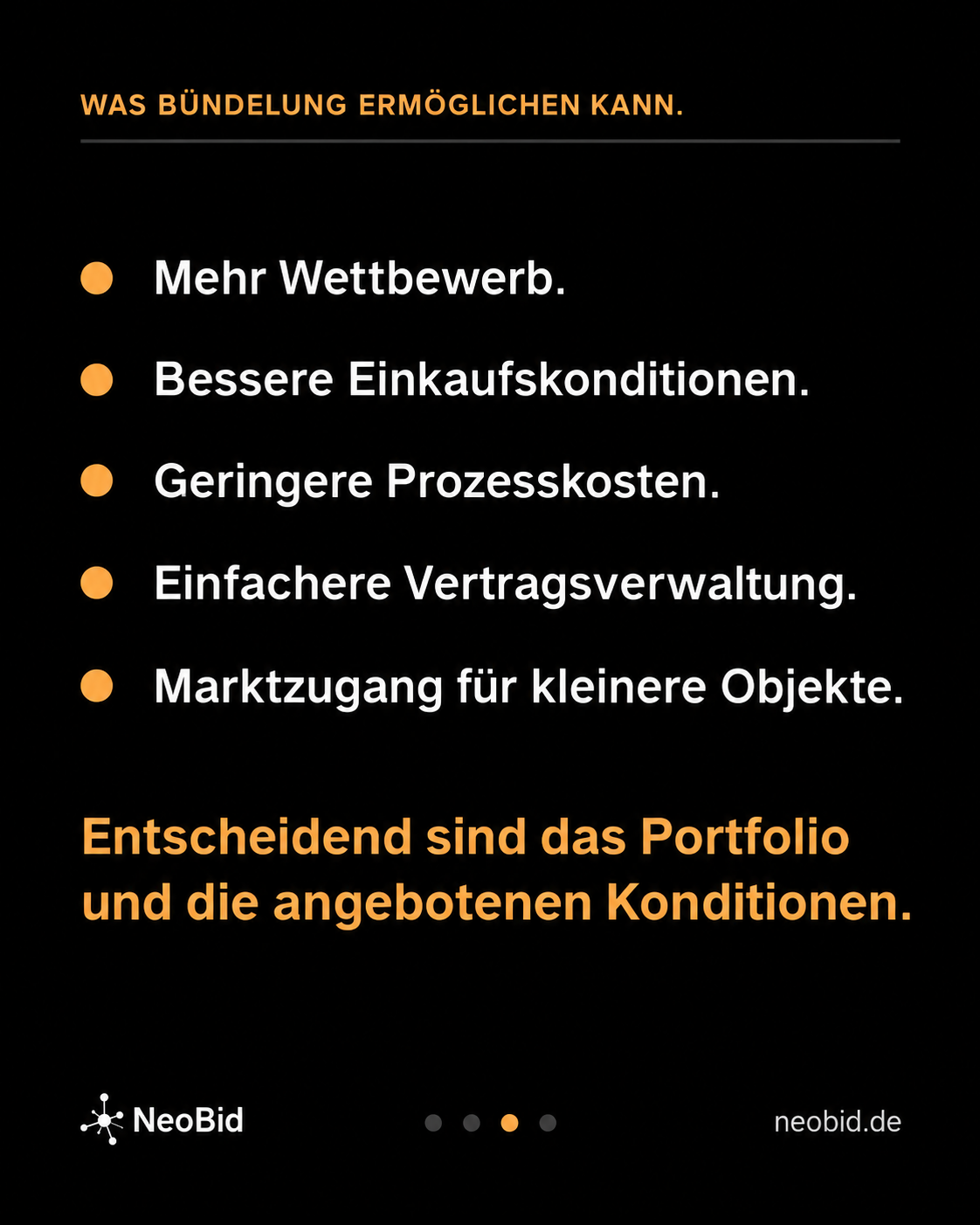
More competition: A meaningful total volume may encourage more providers to participate.
Better terms: Comparable offers provide a basis for price and contract negotiations. They do not guarantee a lower price.
Lower process costs: A shared process can replace numerous individual offer requests and discussions.
Simpler administration: Consistent terms and central contacts can simplify support. Whether a joint contract is possible also depends on ownership structure and supply model.
Market access for smaller properties: Their requirements become part of a professional tender and can be assessed alongside larger supply points.
What matters for implementation
Aggregation does not replace careful preparation. Consumption profiles, supply periods, notice deadlines and contracting parties must align or be represented in suitable lots. A reliable data basis for energy tendering makes requirements clear to suppliers.
Owners, asset managers and property managers should therefore consider energy costs and internal workload together. The NeoBid platform aggregates supply points for a joint tender and supports transparent offer comparison. Its place in the overall procurement process is explained in the article on energy procurement for property portfolios.
Conclusion: the portfolio expands the options
Small individual consumption is not a general reason to avoid tendering. Aggregation can enable competition and more efficient processes. Portfolio composition, careful preparation and the terms actually offered remain decisive.
Would you like to assess which supply points can be tendered together? NeoBid helps evaluate your portfolio and prepare the process.